Logout
If you want to log out click in LogOut

Signaling pathways are molecular networks that help cells detect, transmit and respond to biological signals. AnyGenes SignArrays® qPCR arrays are designed to support targeted gene expression profiling of selected signaling pathways, biological processes and biomarker panels.
With ready-to-use and customizable pathway-focused qPCR arrays, researchers can analyze transcriptional signatures associated with inflammation, immune response, cancer signaling, metabolism, cell stress, differentiation and other key cellular mechanisms, using streamlined workflows designed to support fast pathway-focused results.
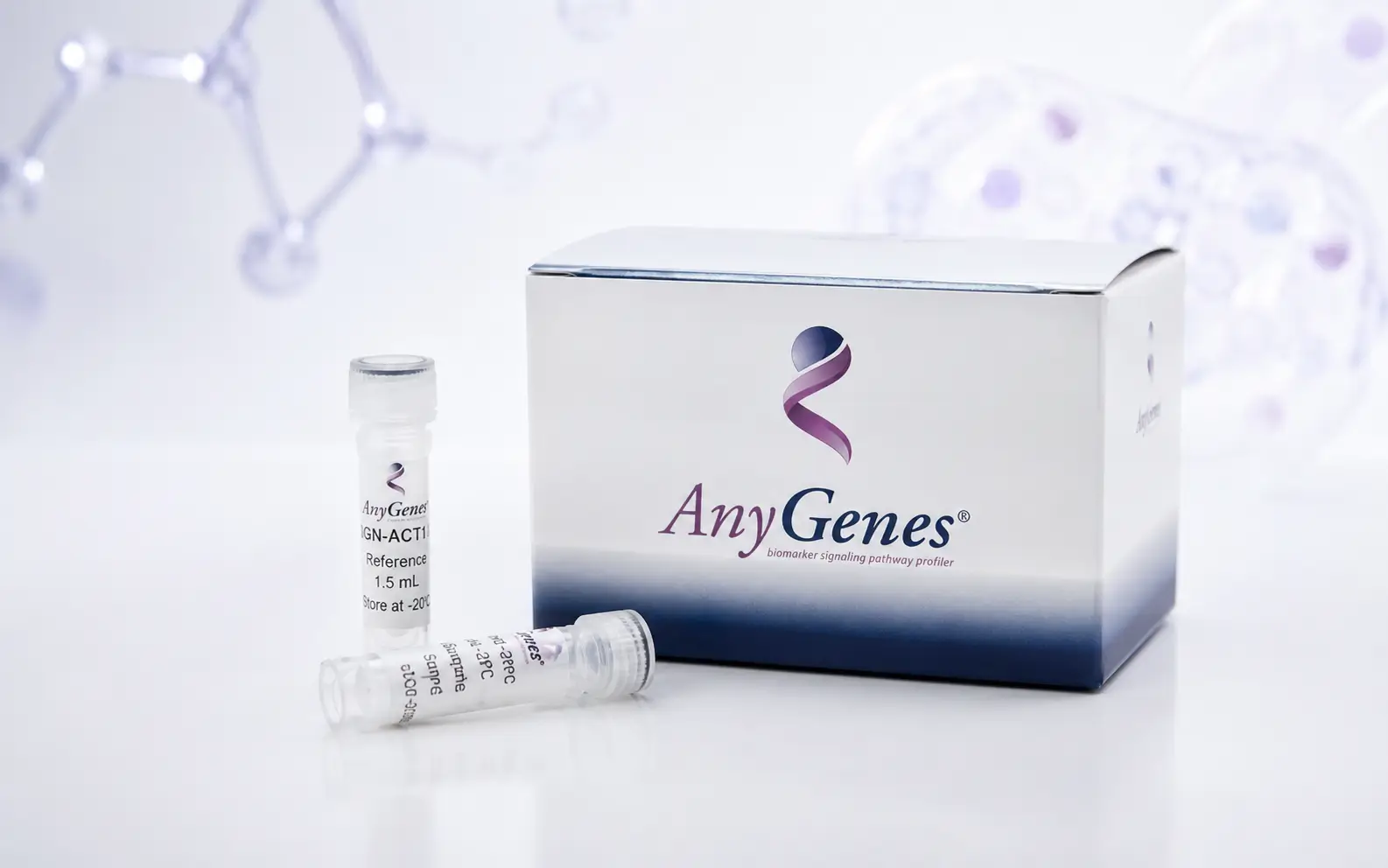
Investigating signaling pathways often requires measuring molecular changes that reflect pathway activation, inhibition or dysregulation. One targeted strategy is to analyze the transcriptional response of pathway-related genes.
Pathway-focused qPCR arrays allow researchers to quantify coordinated changes across selected receptors, signal transducers, transcription factors, cytokines, enzymes, regulators and downstream target genes.
Choose a signaling or pathological pathway according to your biological question.
Analyze selected pathway components and downstream transcriptional markers by qPCR.
Compare conditions, treatments or sample groups to identify relevant expression signatures.
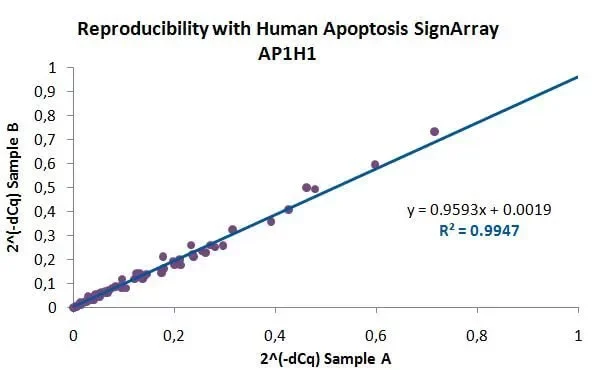
SignArrays® are pathway-focused qPCR arrays designed to support targeted gene expression analysis across selected signaling pathways, biological processes and biomarker signatures. Panels are available for major research species, and additional species may be considered depending on project requirements. SignArrays® pathway panels are experimentally evaluated using stringent quality control criteria to support reliable pathway-focused qPCR analysis.
Access a broad catalog of ready-to-use SignArrays® covering major signaling pathways, biological processes and disease-related gene expression signatures.
SignArrays® pathway panels are evaluated using stringent quality control criteria to support reliable pathway-focused qPCR analysis.
Select a qPCR array format according to the number of targets, samples and qPCR instrument compatibility.
SignArrays® workflows can be combined with adapted reverse transcription and SpeAmp® preamplification strategies when RNA input or sample availability is limited.
SignArrays® formats can be adapted to commonly used real-time PCR instruments, depending on plate format and instrument compatibility.
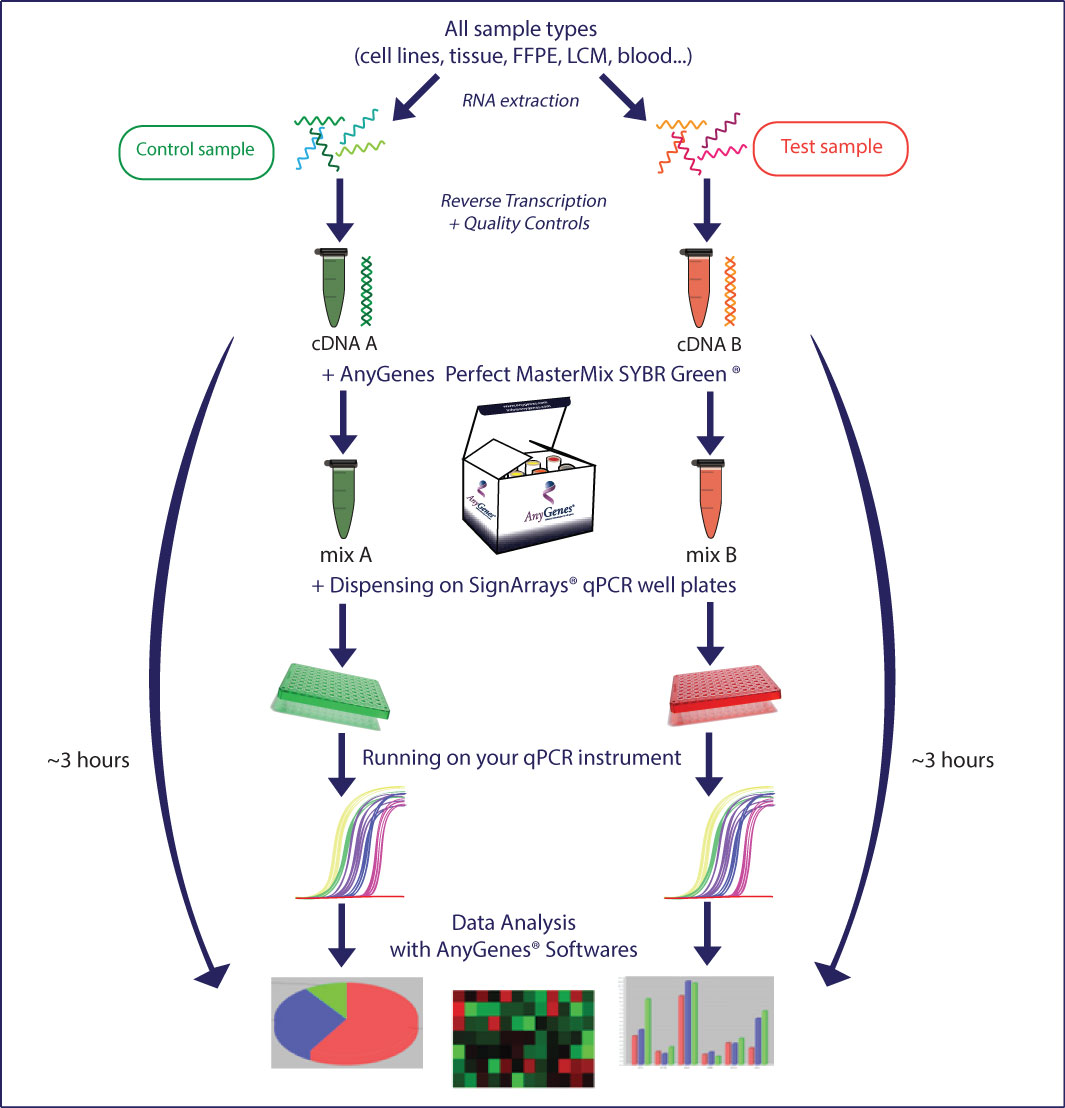
SignArrays® workflows can support pathway-focused qPCR analysis in less than 2 hours, depending on the qPCR instrument, plate format, sample preparation and experimental setup.
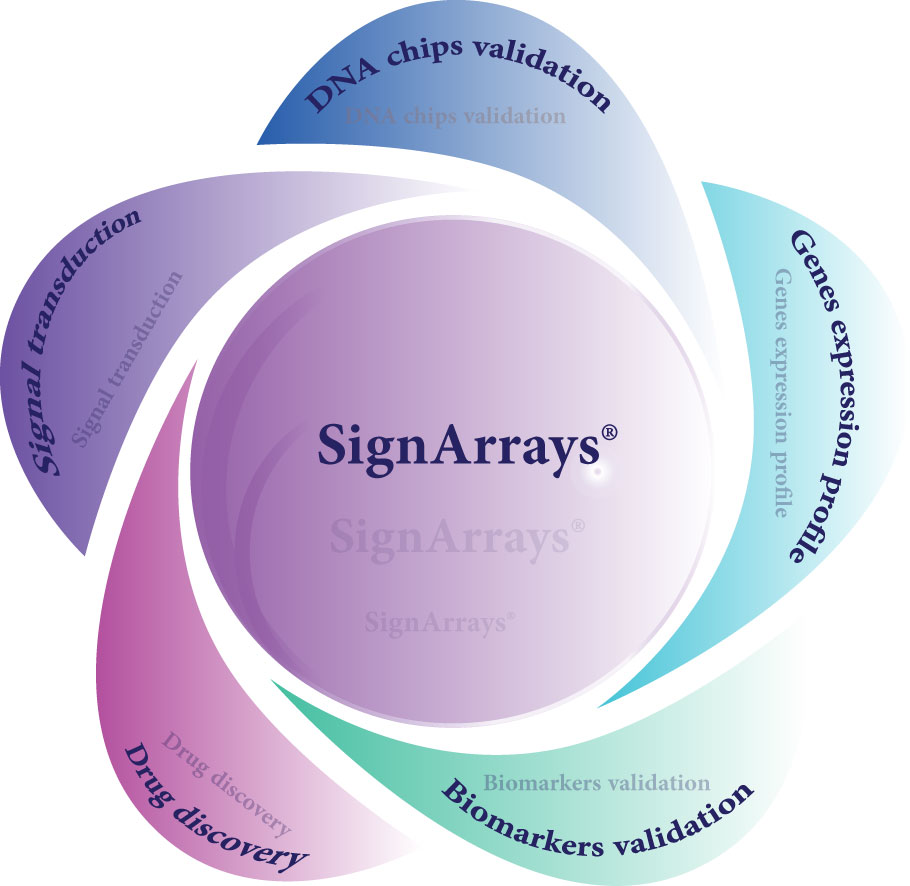
SignArrays® for signaling pathways are perfect for:
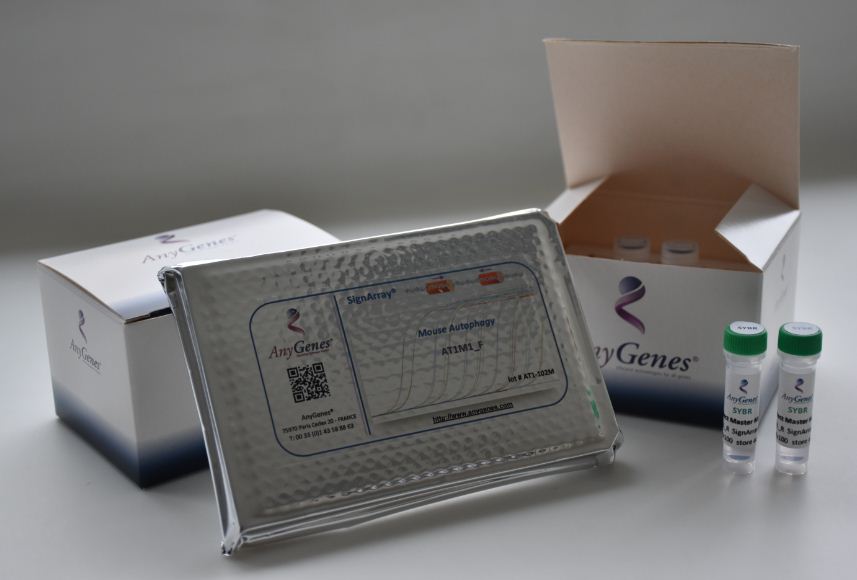
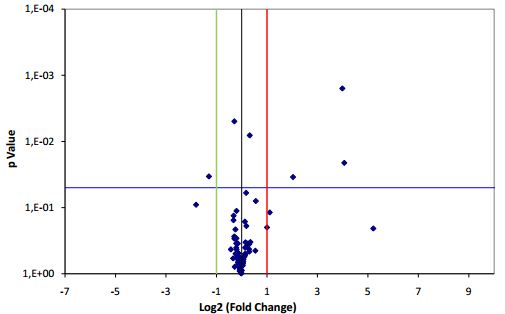
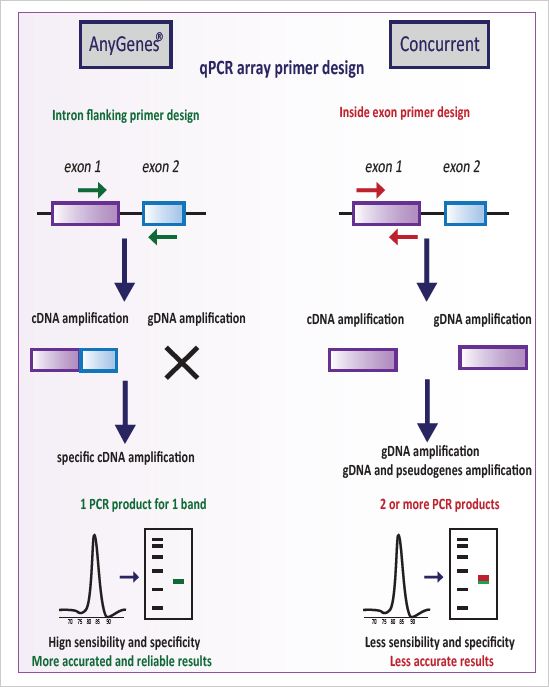
Have another application in mind ? Contact us at [email protected]
to discuss your project!

AnyGenes SignArrays® are available in formats adapted to pathway-focused qPCR analysis. The 96-well format is commonly used for focused pathway panels, while 384-well formats can support larger or higher-throughput projects.
Each SignArray® 96 format can be configured for pathway-focused gene expression analysis, including genes of interest, reference genes and quality controls.
The 384-well format can be used for larger pathway-focused projects, higher-throughput workflows or customized gene expression panels.
AnyGenes SignArrays® can support targeted analysis of major signaling pathways involved in cell communication, stress response, metabolism, inflammation, immune regulation and disease-associated mechanisms. The examples below illustrate commonly studied pathway families; the full catalog includes additional ready-to-use and personalized pathway panels.
Study transcriptional responses associated with MAPK, ERK, JNK or p38-related signaling.
Analyze selected genes involved in growth, survival, metabolism and proliferation pathways.
Explore inflammatory signaling, cytokine response and immune-related gene expression signatures.
Study selected genes associated with differentiation, fibrosis, immune regulation or EMT.
Analyze pathway genes involved in development, stem cell biology and cancer-related research.
Profile selected genes associated with cell death, survival, oxidative stress or damage response.
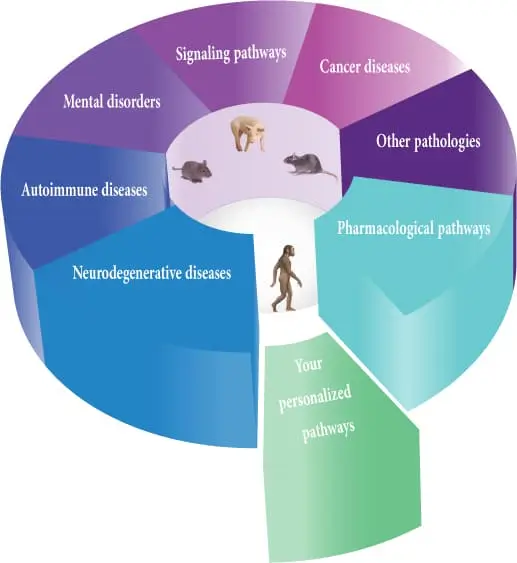
Cell signaling pathways can be grouped according to the biological processes they regulate. The categories below are examples of commonly studied pathway families and are provided to help researchers identify the type of SignArrays® panel that may fit their project.
Examples include pathways involved in energy balance, nutrient sensing and metabolic adaptation.
Examples include pathways activated in response to stress, infection, inflammation or tissue damage.
Examples include pathways that regulate cell fate, differentiation, tissue organization and developmental programs.
AnyGenes SignArrays® can be integrated into a complete qPCR workflow, from RNA preparation and reverse transcription to qPCR amplification, normalization and pathway-focused interpretation.
Extract RNA from your samples and perform reverse transcription using an adapted workflow.
Use selected SignArrays® panels with compatible qPCR reagents and instruments.
Normalize qPCR data, compare experimental conditions and interpret pathway-related signatures using structured analysis outputs and dedicated SignArrays® data analysis tools.
If you cannot find the exact pathway panel you need, AnyGenes can prepare personalized SignArrays® based on your selected genes of interest, biological pathway, species and research objectives.
Download and complete our Personalized SignArrays® information file, then send it to [email protected].
Build a custom qPCR panel using genes selected from your pathway, dataset or literature review.
Adapt the panel to your species, qPCR instrument and preferred SignArrays® format.
Use your custom panel to compare conditions, treatments, sample groups or disease models.
SignArrays® can support targeted pathway gene expression analysis in a wide range of molecular biology, translational research and biomarker-oriented projects.
Analyze selected pathway genes and transcriptional signatures across experimental conditions.
Support biomarker discovery or validation projects using targeted gene panels.
Validate selected transcriptomic findings using targeted qPCR pathway panels.
Compare pathway-related gene expression after treatment, stimulation or inhibition.
Study selected genes involved in proliferation, apoptosis, EMT, angiogenesis or immune response.
Explore transcriptional responses related to cytokines, innate immunity or inflammatory pathways.
Researchers use AnyGenes SignArrays® to support pathway-focused gene expression studies, custom qPCR panels and biomarker-oriented research projects.

“AnyGenes SignArrays® were pivotal in my research, enabling in-depth studies on endothelial-mesenchymal transition, BMP signaling, and integrated stress response. Their bespoke solutions helped publish results in high-impact journals.”
Dr Frédéric Perros
Research Director, INSERM Laboratory CaRMeN
Research Laboratory in Cardiovascular, Metabolism, Diabetology, and Nutrition
University of Lyon
SignArrays® can be combined with complementary AnyGenes qPCR reagents and data analysis tools to build a structured workflow, from cDNA synthesis to pathway-focused qPCR interpretation.
Generate first-strand cDNA before pathway-focused qPCR analysis using reverse transcription reagents adapted to gene expression workflows.
Use compatible SYBR® Green qPCR chemistry for SignArrays® workflows, gene expression analysis and pathway-focused qPCR arrays.
Analyze SignArrays® qPCR data with dedicated software designed to support normalization, condition comparison, descriptive statistics and pathway-focused result visualization.
AnyGenes SignArrays® and related qPCR technologies have been referenced in peer-reviewed scientific publications for gene expression analysis, biomarker research and pathway-focused studies.
These publications provide examples of how pathway-focused qPCR arrays can be used in molecular biology, translational research and disease-related studies.
Browse available SignArrays® pathway panels and choose the signaling pathway that best matches your biological question.
Angiogenesis, the formation of blood vessels, occurs in a coordinated series of steps, which can be divided into a destabilization, a proliferation, and a maturation phase.
Extensive studies have revealed a variety factors involved in neoangiogenesis, the main protagonists are: Vascular endothelial Growth Factor (VEGF), basic Fibroblast Growth Factor (bFGF), various members of the Transforming Growth factor beta (TGFβ) family and hypoxia (Hypoxia-inducible transcription factor, HIF)… Other factors that have angiogenic properties include the angiopoietins, (Ang-1); hepatocyte growth factor (HGF); Platelet-derived growth factor (PDGF-BB); Insulin-like growth factor family (IGF-1, IGF-2) and the Neurotrophins (NGF).
One of earliest events in angiogenesis is the degradation of the vascular basement membrane and the remodeling of the extracellular matrix (ECM). Several matrix metalloproteinases (MMPs), including MMP-2, -3, and -9 play an important role in this system, and are associated with tumor progression, including invasion, metastasis, growth, migration, and angiogenesis.
Integrins are the principle adhesion receptors used by endothelial cells to interact with the extracellular environment and are necessary for cell migration, proliferation, and survival.
Apoptosis or programmed cell death is a highly regulated process critical for normal development and tissue homeostasis. Aberrant regulation of apoptosis can lead to cancer. Apoptosis is induced from signals inside or outside the cell including radiation, viral infection, growth factors, and hormones. Apoptosis involves signature morphological changes induced by caspases, which are activated upon induction of apoptotic signalling and cleave downstream molecules to facilitate the apoptotic cascade. The induction of apoptosis can occur through two pathways: the intrinsic apoptotic pathway which involves signalling through the mitochondria and the extrinsic apoptotic pathway which is initiated through activation of cell surface death receptors. Apoptotic signalling through the intrinsic pathway primarily involves activation of the proapoptotic Bcl-2 family members Bax and Bak, which facilitate release of cytochome C from the mitochondria and subsequent caspase-9 cleavage or activation. The activated caspase-9 will finally cleave or activate the downstream effector caspases such as caspase-3 and -7, leading to apoptosis.This pathway is negatively regulated by several antiapoptotic Bcl-2 family members such as Bcl-2 and Bcl-XL. Apoptotic signalling through the extrinsic pathway is initiated by ligand binding to death receptors or by induction of trimerization of the receptors. The death receptors belong to the tumor necrosis factor (TNF) receptor superfamily, which includes Fas, TNFR1, DR3, DR4 (TRAIL-R1),DR5(TRAIL-R2),and DR6.
Autophagy is a lysosomal catabolic process that leads to sequestration and degradation of intracellular material. It functions at basal level in every cell and contributes to maintain cellular homeostasis, clearance of damaged organelles and adaptation to environmental stresses.
In contrast, if the autophagy activity is too high, it may promote Apoptosis.
Autophagy is involved in preventing certain types of disease: however dysfunction of autophagy has been implicated in multiple human diseases including cancer, neurodegeneration, and pathogen infection.
Analyses of molecular mechanism have provided huge advances toward understanding the molecular basis of autophagy. The signaling pathways that are involved in mammalian autophagy imply specific genes or proteins called Atg, in particular Atg5 which exhibits a dual function by modelling both autophagy and apoptosis like Bcl-2. It is also well known that mTOR (target of rapamycin) an evolutionarily-conserved protein kinase, plays a crucial role as a regulator of autophagy.
If you cannot find the exact pathway panel you need, AnyGenes® can prepare personalized
SignArrays® based on your selected genes of interest and research objectives..
Download and complete our Personalized SignArrays® information file, then send it to and send it at [email protected]
AnyGenes can help you select a ready-to-use SignArray® or design a personalized qPCR pathway panel according to your genes of interest, sample type, species, qPCR instrument and research objective.
Whether your project involves inflammation, cancer signaling, metabolism, immune response, RNA-seq validation or biomarker profiling, our team can help define a targeted qPCR strategy.
Signaling pathways are molecular networks that allow cells to detect signals, transmit information and regulate biological responses such as proliferation, differentiation, metabolism, stress response, inflammation and apoptosis.
qPCR arrays can measure the expression of selected genes involved in a pathway, including receptors, signaling proteins, transcription factors, regulators and downstream target genes.
SignArrays® are pathway-focused qPCR arrays designed to support targeted gene expression profiling of signaling pathways, biological processes or customized gene panels.
Yes. AnyGenes can prepare personalized SignArrays® based on selected genes, biological pathways, species and research objectives.
SignArrays® can support studies on pathways such as MAPK, PI3K-AKT, NF-κB, mTOR, TGF-β, Wnt, apoptosis, inflammation, angiogenesis, immune response and many other biological processes.
Yes. SignArrays® can be used to validate selected RNA-seq findings through targeted qPCR analysis of pathway-related genes and gene expression signatures.
Visit the AnyGenes Help & FAQ section for detailed information about our products, services, ordering process and technical support.
Visit Help & FAQStandard SignArrays® 96 system prices
| Reference type : XXX1H1-Y* | |
| Standard | |
| Number of SignArrays® 96 | Price/unit (before TAX) |
|---|---|
* Y: R, A, B or F plate type, according to the qPCR instrument
Customizable SignArrays® 96 system prices
Reference type : PZXH1-Y* | |
| Customizable | |
| Number of SignArrays® 96 | Price/unit (before TAX) |
|---|---|
* Y: R, A, B or F plate type, according to the qPCR instrument
PMS Reagents associated with SignArrays® 96 prices
| Reference type : PMS1-Z* |
|
| PMS Perfect Master Mix SYBR® Green SignArrays® 96* | |
| Number of SignArrays® 96 |
Price/unit (before TAX) |
|---|---|
* 10 μl of PMS/reaction for 20 μl final volume
* Z: W, R, LR or F PMS, according to the qPCR instrument
Standard SignArrays® 384 system prices
| Reference type : XXX1H2-Y* | |
| Standard | |
| Number of SignArrays® 384 | Price/unit (before TAX) |
|---|---|
* Y: R, A, B or F plate type, according to the qPCR instrument (cf Compatibility file)
Customizable SignArrays® 384 system prices
| Reference type : PZXH2-Y* | |
| Customizable | |
| Number of SignArrays® 384 | Price/unit (before TAX) |
|---|---|
* Y: R, A, B or F plate type, according to the qPCR instrument (cf Compatibility file)
PMS Reagents associated with SignArrays® 384 prices
| Reference type : PMS2-Z* |
|
| PMS (Perfect Master Mix SYBR® Green) SignArrays® 384* | |
| Number of SignArrays® 384 |
Price/unit (before TAX) |
|---|---|
* 5 μl of PMS/reaction for 10 μl final volume
* Z: W, R, LR or F PMS, according to the qPCR instrument (cf Compatibility file)
|
Signaling Pathways
Average Star Rating is 4.8/5 from the Total 450 Ratings
|