Immune Checkpoint Inhibitors and Cancer Immunotherapy
Immune checkpoint inhibitors are therapeutic agents designed to block inhibitory immune checkpoint pathways, restoring T-cell activity against cancer and chronic infections.
Maintaining immune homeostasis relies on a fine balance between co-stimulatory and inhibitory signals that regulate the magnitude and duration of immune responses. This balance is essential to prevent autoimmunity while enabling effective defense against pathogens and malignant cells.
Among these regulatory mechanisms, immune checkpoint inhibitors have emerged as transformative therapies. By targeting inhibitory pathways that restrain T-cell activity, these treatments restore antitumor immune responses and have reshaped modern cancer immunotherapy.
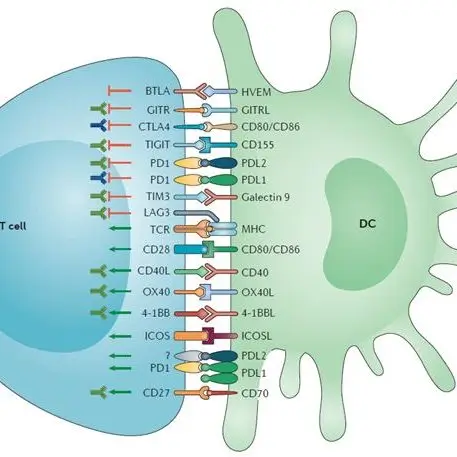
Figure 1 | Interactions with antigen-presenting cells that regulate T cell responses. (Wykes M.N. and Lewin S.R. et al 2017)
Immune checkpoints and immune regulation
Immune checkpoint molecules are inhibitory receptors and ligands expressed on immune cells, particularly T lymphocytes. Their physiological role is to regulate antigen-specific immune responses and maintain immune tolerance.
Through modulation of multiple intracellular signaling pathways, immune checkpoint regulation controls:
T-cell activation and proliferation
Cytokine production
Cytotoxic effector functions
In cancer and chronic infections, these inhibitory mechanisms are frequently hijacked, leading to immune exhaustion and impaired immune surveillance.
Immune checkpoint inhibitors: mechanism of action
Immune checkpoint inhibitors are monoclonal antibodies designed to block inhibitory receptor–ligand interactions. The most extensively studied targets include:
PD-1 / PD-L1 pathway
CTLA-4 pathway
By blocking these interactions, immune checkpoint inhibitors:
Restore T-cell activation
Enhance cytokine secretion
Promote tumor cell killing
This immune reactivation underlies the durable clinical responses observed in multiple cancer types.
Clinical impact in cancer immunotherapy
Immune checkpoint inhibitors have demonstrated significant clinical benefit in cancers such as:
Melanoma
Non-small cell lung cancer
Renal cell carcinoma
Lymphomas
However, only a subset of patients responds to immune checkpoint blockade. Understanding the molecular basis of response and resistance remains a major challenge in oncology.
Immune checkpoint inhibitors beyond cancer
Immune checkpoint pathways are also involved in infectious diseases:
Chronic infections (HIV, hepatitis B, malaria) are associated with sustained checkpoint activation and T-cell exhaustion.
Acute infections can induce transient upregulation of checkpoints to limit immune-mediated tissue damage.
These observations highlight the broader relevance of immune checkpoint regulation beyond oncology.
Biomarkers and prediction of therapy response
Because patient responses to immune checkpoint inhibitors vary widely, biomarker discovery is critical.
Monitoring gene expression of immune checkpoint molecules and associated immune pathways can help:
For a pathway-level overview of immune checkpoint regulation and biomarkers, visit our Immune Checkpoints signaling pathway page. Immune Checkpoints signaling pathway page.
Immune checkpoint inhibitors have revolutionized cancer immunotherapy by restoring antitumor immune responses. Continued progress depends on a deeper understanding of immune checkpoint biology and the identification of robust biomarkers.
Integrating immune checkpoint research with targeted gene expression analysis offers a powerful strategy to advance immunotherapy development and precision medicine.
Nirschl CJ & Drake CG. Molecular pathways: coexpression of immune checkpoint molecules: signaling pathways and implications for cancer immunotherapy. Clin Cancer Res. 2013 Sep 15;19(18):4917-4924.
Parry RV et al. (2005). CTLA-4 and PD-1 receptors inhibit T-cell activation by distinct mechanisms. Mol Cell Biol 25, 9543-9532.
Sharpe AH & Pauken KE. The diverse functions of the PD1 inhibitory pathway. Nat. Rev. Immunol. (2017) doi: 10.1038/nri.2017.108.
Wykes M.N. and Lewin S.R. Immune checkpoint blockade in infectious diseases. Nat. Rev. Immunol. (2018) 18(2):91-104.
Chen D.S. & Mellman I. Elements of cancer immunity and the cancer–immune set point. Nature (2017) 541: 321-330.